
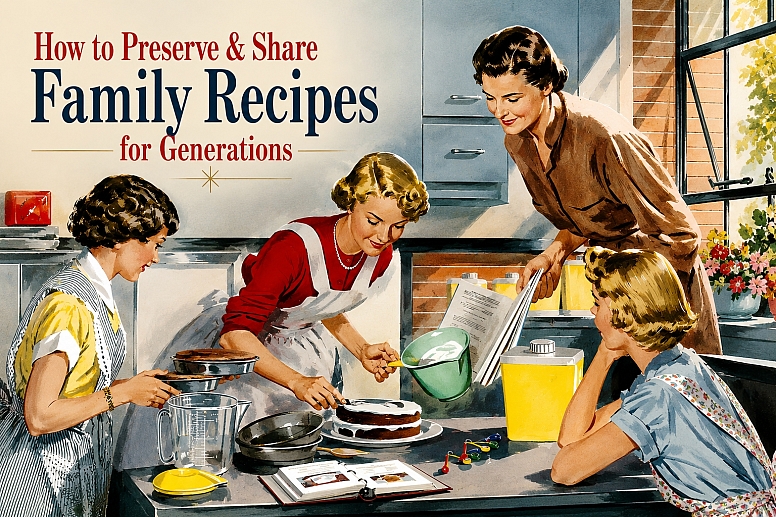
How to Preserve & Share Family Recipes for Generations
Busy parents, adult kids caring for aging relatives, and the unofficial “family keeper” in any household know how quickly handwritten recipes and treasured notes can disappear. The core tension is simple: preserving family recipes feels important, yet it’s easy to postpone it until a recipe card goes missing, handwriting becomes harder to read, or the person who “just knows” the steps isn’t around to ask.
These culinary traditions carry more than just ingredients; they hold family heritage, cooking, and an emotional connection to food that shows up at holidays, after hard days, and in everyday comfort. Saving them now protects the memories that travel with every meal.
Preserve and Share Family Recipes Step by Step
This simple process helps you turn scattered recipe cards and half-remembered instructions into an organized collection you can actually use and share. It’s designed for busy households, so you can make progress in short pockets of time and still protect the stories behind the dishes.
- Gather everything into one “recipe inbox.”
Start by gathering all physical recipes like cards, notebooks, and clipped pages, plus any digital screenshots or bookmarked links. Put them in one box, folder, or basket so nothing keeps drifting. This gives you a clear starting line and prevents duplicates later. - Photograph each recipe clearly and consistently
Use natural window light, shoot straight overhead, and include the whole card or page in the frame. Take a second photo of any hard-to-read areas, notes in the margins, or stains that tell the story. Clear photos preserve handwriting and little details that typed text can’t replace. - Type the recipe and add helpful tags
Type the ingredients and steps in your own words, keeping the original phrasing when it feels meaningful. Add tags you will actually search later, like “weeknight,” “holiday,” “gluten-free,” “freezer-friendly,” and the person’s name. If you feel overwhelmed, start small since many tools let you enter your recipes with only the essentials and fill in notes over time. - Choose an organization method you’ll maintain
Pick one “home” for your collection: a shared folder (by category), a spreadsheet (with filters), a family recipe app, or a simple notes app. Keep categories broad so filing stays easy, and decide on one naming rule like “Dish Name | Person | Year” for quick scanning. Consistency matters more than the perfect system. - Publish in a shareable format and back it up
Export a digital cookbook PDF for group texts and email, and consider a short printed booklet for relatives who prefer paper. For ongoing updates, a family recipe app can make adding and sharing feel effortless, while printed copies create a lasting keepsake. Save a backup in a second place, so your work is protected.
Design Personal Recipe Images with AI, Fast
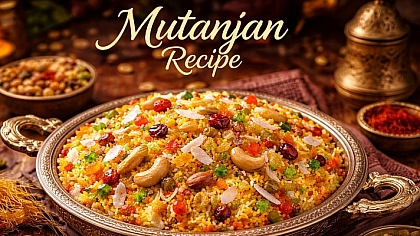
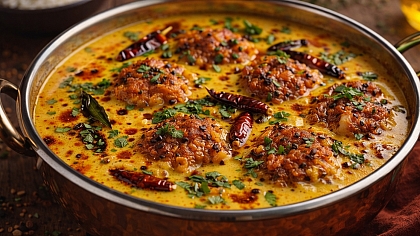
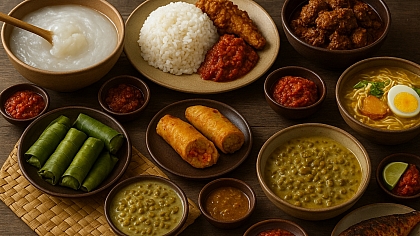
Once your recipes are neatly saved and shareable, a little visual personality can make them feel even more inviting. AI-generated images can enhance a digital family cookbook or recipe blog by giving each cherished dish its own custom illustration, think a cozy sketch of Grandma’s soup or a bright, modern image of your signature birthday cake.
With a text-to-image tool like Adobe Firefly, you can create images directly from a written description, then keep refining until it matches how the food feels in your memory. If the first result isn’t quite right, adjust details such as style, lighting, color, mood, and composition, or guide the look using reference images so the whole collection stays consistent.
Weekly Rituals That Keep Family Recipes Alive
Preserving recipes is not a one-time project. These light, repeatable habits turn your collection into a living tradition, so stories, techniques, and tastes stay familiar across generations.
Cook-One-Recipe Night
- What it is: Make one saved family dish and talk about where it came from.
- How often: Weekly or monthly.
- Why it helps: It reinforces memories and keeps instructions grounded in real cooking.
Two-Minute Recipe Note
- What it is: After cooking, add one tweak, tip, or substitution to the recipe.
- How often: After each cook.
- Why it helps: Future cooks avoid guesswork and get consistent results.
Photo and Voice Memo Capture
- What it is: Snap a quick photo and record a 20-second “serve it like this” note.
- How often:
- Why it helps: Visual cues preserve texture, timing, and plating traditions.
Kid Kitchen Role Rotation
- What it is: Give kids one age-fit task like those for nine to twelve-year-olds.
- How often:
- Why it helps: Skills transfer becomes normal, not a special lesson.
Sunday Share-Out
- What it is: Send one recipe or story snippet to a family group chat.
- How often: Weekly.
- Why it helps: Consistent sharing makes participation easy and expected.
Family Recipe Preservation Questions, Answered
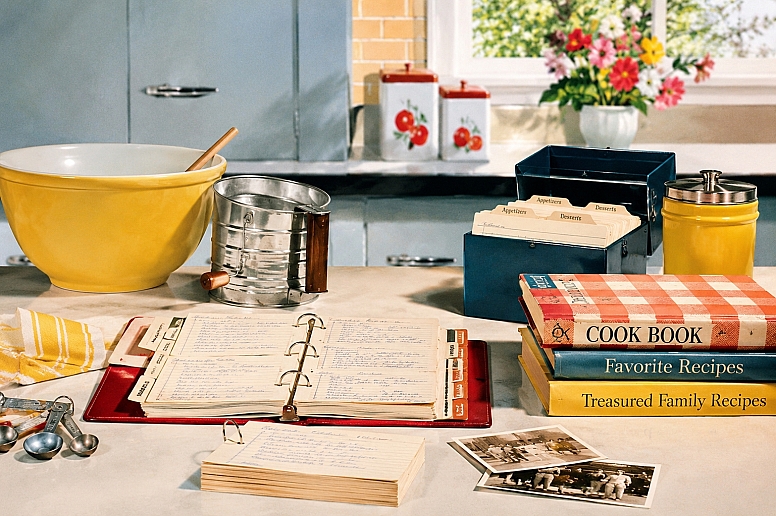
Q: How do I digitize old recipe cards without fancy equipment?
A: Use your phone in natural window light and take one straight-on photo per card. Save images in a single folder, then rename files with a simple pattern like “Dish Name - Grandma - Year.” If the writing is faint, try black-and-white or “document” mode in your camera app.
Q: How should I organize recipes from multiple relatives so nothing gets lost?
A: Pick one “home base” first: a binder, a notes app, or a shared folder. Add consistent labels so people can browse by occasion, ingredient, or technique; tags allow you to label recipes in a way that stays searchable as your collection grows.
Q: What if the recipe has missing measurements like “a teacup” or “some flour”?
A: Cook it once as a test and measure what you actually use as you go. Write ranges instead of exacts, like “2 to 3 cups flour, add until dough is soft but not sticky.” A quick note about texture and timing often matters more than precision.
Q: Can I share family recipes without upsetting anyone?
A: Yes, start by asking who wants credit, who wants privacy, and where it is okay to share. Many families feel an emotional attachment to certain dishes, so offering a “family-only” version can keep everyone comfortable. When in doubt, share the story and a photo first, then the full instructions later.
Q: How do I document recipe history without turning it into a big project?
A: Keep it to three prompts: who made it, when you ate it, and what made it special. A 30-second voice note or two sentences at the top of the recipe is enough. You can always add more later, but you cannot recreate details you never captured.
Start a Family Recipe Tradition That Connects Generations
Family recipes can feel fragile, scribbled cards, missing measurements, and stories that live only in someone’s memory. A gentle, story-first approach to motivating recipe preservation keeps the focus on meaning over perfection, so the recipe and its history stay together.
When that happens, culinary heritage value becomes something living: meals get easier to recreate, and connecting generations through food starts to feel natural. Preserve the story, and the recipe will keep feeding your family.
Categories
Recent Posts






0.0783