

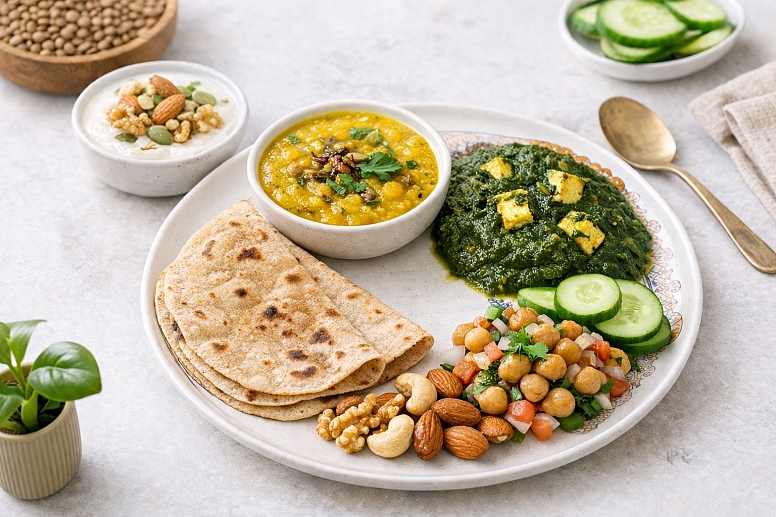
South Asian Foods for Strong, Healthy Nails
Healthy nails aren’t just about what you put on them—they’re shaped by what you eat every day. If your nails are constantly breaking, peeling, or refusing to grow, your diet might be missing a few key nutrients. The good news is that South Asian food already includes many of the building blocks your nails need to become stronger and healthier.
Rather than relying on supplements, you can often get what you need straight from your plate.
What Your Nails Actually Need
Nails are made of keratin, a tough protein that depends on a steady supply of nutrients to stay strong. A few of the most important ones include:
- Protein to build structure
- Biotin to support growth and thickness
- Iron to prevent brittleness and ridging
- Zinc for repair
- Healthy fats to keep nails from drying out and splitting
A well-balanced South Asian diet naturally covers most of these—if you’re eating a variety of whole foods.
Everyday South Asian Foods That Support Nail Health
Lentils and Dal
Dal is one of the easiest ways to support your nails without overthinking it. Lentils are rich in protein, iron, and biotin, all of which help prevent weak, peeling nails.
Whether it’s masoor, moong, or chana dal, having it regularly makes a noticeable difference over time.
Eggs
Eggs are one of the most reliable sources of biotin. If your nails tend to split or feel thin, adding eggs into your routine—even a few times a week—can help improve their strength.
A simple masala omelette or egg curry does the job.
Fatty Fish
If you eat fish, options like mackerel or sardines are especially useful. Their omega-3 fats help keep nails from becoming dry and brittle.
They also support overall skin and hair health, which is a nice bonus.
Nuts and Seeds
A small handful of almonds, peanuts, or sesame seeds goes a long way. They’re packed with vitamin E, zinc, and healthy fats, all of which contribute to stronger, smoother nails.
They’re easy to add as snacks or toppings without much effort.
Leafy Greens (Palak, Saag)
Spinach and other greens are especially helpful if your nails have ridges or feel weak. Their iron and folate content support healthy growth and prevent dullness.
Dishes like palak paneer or saag are simple ways to include them regularly.
Dairy (Paneer, Yogurt, Milk)
Dairy adds both protein and calcium, which support the overall structure of your nails. Yogurt in particular is easy to include daily, whether as a side or part of a meal.
Chickpeas (Chana)
Chickpeas are another strong source of biotin and protein. If you’re trying to grow your nails out, they’re worth including a few times a week.
Chana masala or even a simple chickpea salad works well.
Whole Grains
Roti, brown rice, and grains like ragi provide B vitamins and zinc. These nutrients help reduce white spots and improve overall nail strength.
Garlic
Garlic might seem like a small detail, but it contains sulfur compounds that contribute to stronger nails over time. Since it’s already used in most dishes, you’re likely getting this benefit without thinking about it.
Coconut
Common in South Indian cooking, coconut adds healthy fats that help keep nails flexible rather than brittle.
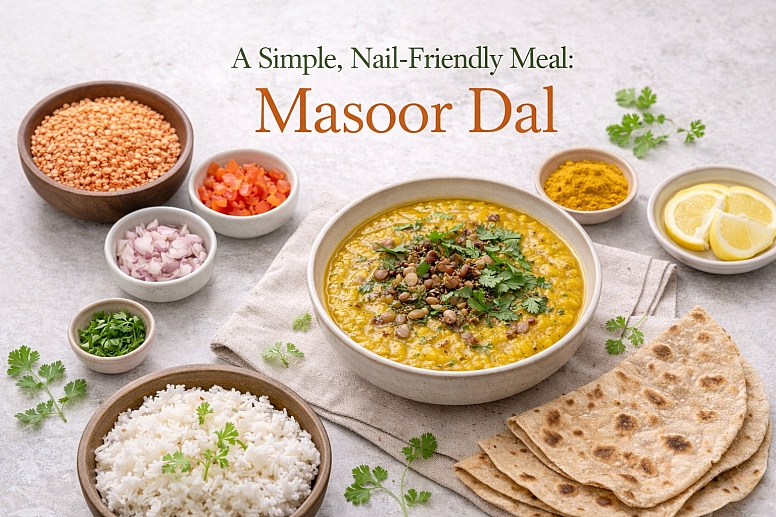
A Simple, Nail-Friendly Meal: Masoor Dal
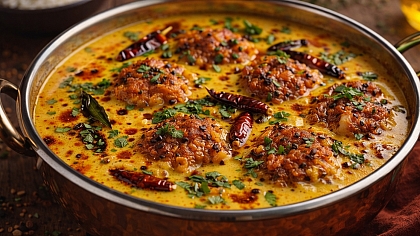
If you’re looking for one dish that covers a lot of bases, masoor dal is a good place to start. It’s filling, easy to make, and naturally rich in protein and iron.
Ingredients
- 1 cup red lentils (masoor dal)
- 3 cups water
- 1 small onion, finely chopped
- 2 cloves garlic, minced
- 1 small tomato, chopped
- 1 teaspoon turmeric
- 1 teaspoon cumin seeds
- 1–2 teaspoons oil or ghee
- Salt to taste
- Fresh coriander (optional)
Method
Rinse the lentils until the water runs clear, then cook them with water, turmeric, and salt until soft.
In a separate pan, heat oil or ghee and add cumin seeds. Once they begin to crackle, add the onions and cook until golden. Stir in the garlic, followed by the tomatoes, and let everything soften.
Pour this mixture into the cooked lentils, give it a good stir, and finish with fresh coriander if you like.
How to Serve It
For a balanced, nail-friendly meal, serve the dal with roti or brown rice, a side of spinach, and some yoghurt. Adding a small handful of nuts on the side rounds it out nicely.
Final Thought
You don’t need to overhaul your diet to see changes in your nails. Small, consistent choices—like adding dal, greens, and healthy fats into your meals—tend to make the biggest difference.
Give it a few weeks of consistency, and you’ll likely start to notice stronger, less fragile nails without needing anything extra. It’s a good reminder that simple, clean eating really does make a difference over time.
That said, persistent nail issues—like severe brittleness, discoloration, or unusual changes—can sometimes point to underlying health problems. If something doesn’t seem right or isn’t improving, it’s worth getting medical advice rather than ignoring it.
LEAVE A COMMENT
Categories
Recent Posts




0.0673