
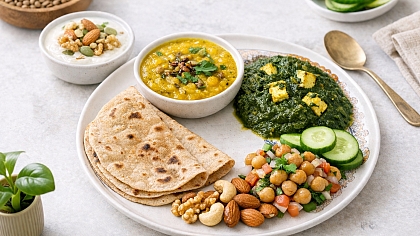

How to Build a Trusted Wellness Brand & Grow Your Influence
For aspiring wellness influencers building an online presence from recipes, grocery hauls, and nutrition tips, the food and nutrition niche offers real room to grow into health and wellness entrepreneurship. The tension is simple: nutrition content creation is everywhere, but trust is scarce, and one unclear claim can make a thoughtful voice blend into the noise. Brands notice creators who consistently earn credibility, which opens the door to influencer marketing opportunities without sacrificing integrity. With the right foundation, everyday food posts can become a wellness platform people rely on.
Build Your Trusted Nutrition Influence Step by Step
This process helps you choose a clear wellness niche, earn credibility, and turn everyday food content into a consistent, trustworthy presence. It matters because general readers are busy and cautious, and they follow creators who are clear, helpful, and careful with claims.
- Choose a “one-sentence” niche you can repeat: Start with one audience and one outcome, such as “budget-friendly high-protein breakfasts for busy beginners” or “fiber-first meal prep for better digestion.” Pick a lane you can realistically live in for 90 days, because consistency is what makes you recognizable. Write your niche sentence in your bio, your pinned post, and your content notes so you stay focused.
- Set trust rules before you post: Decide what you will and will not claim, especially around weight loss, disease, hormones, or supplements. Use simple language like “may help” and “here’s what worked for me,” and point people to a qualified professional when it’s outside your scope. Create a repeatable safety checklist: cite the source you used, disclose partnerships, and avoid giving individualized medical advice.
- Build a simple content system from small building blocks: Define your core “building blocks” and reuse them on purpose: 3 recipe templates, 3 grocery haul themes, 3 nutrition tip formats, and 1 weekly Q and A prompt. A helpful mental model is that atoms are basic building blocks, so your brand becomes easier when you assemble familiar parts into new combinations. This reduces burnout and makes your content feel cohesive even as you experiment.
- Publish for engagement, not perfection: Choose one primary platform and one secondary platform, then commit to a realistic posting rhythm you can maintain. If Instagram is your focus, test short video first because 67% more engagement can come from Reels versus traditional feed posts. End each post with one clear next action, such as “save this,” “comment your swap,” or “vote on next week’s recipe.”
- Monetize ethically with clear boundaries: Start with low-risk offers that match your niche: affiliate links to pantry staples you truly use, a simple meal-prep guide, or a paid brand collaboration you can stand behind. Keep trust intact by disclosing paid relationships clearly and saying no to products that conflict with your content values. Track what performs best, then double down on the formats and topics your audience consistently asks for.
Make Food Photos and Nutrition Graphics Look Sharp Everywhere
Once you’re posting consistently, your visuals need to look just as consistent and polished wherever people find you. AI image optimization tools can enhance food photos and nutrition visuals by improving lighting, color balance, clarity, and overall consistency, so your feed, stories, and graphics share a recognizable visual style that supports credibility and boosts engagement across platforms. When an image feels slightly dull, unevenly lit, or off-tone compared to the rest of your content, smart enhancements can help bring it back in line without changing what you’re trying to communicate.

An AI image upscaler takes this a step further by increasing resolution and sharpness, letting you enlarge photos while preserving detail and visual quality. That’s especially helpful when you need the same hero shot or nutrition graphic to work in multiple sizes and formats without looking blurry or pixelated; for example, the Adobe Firefly AI image enlarger can help you scale up visuals while keeping them crisp.
Wellness Influencer Trust: Quick Answers
Q: How do I promote wellness products without sounding salesy or misleading?
A: Start by practicing ethical marketing: disclose partnerships clearly, describe realistic outcomes, and avoid pressure tactics. Share what the product does, who it is for, and who should skip it. If you cannot explain the limitations, do not promote it.
Q: What should I do if I’m not a dietitian but people ask for meal plans?
A: Be transparent about your role and stick to education and personal experience, not prescriptions. Offer general frameworks, label content as informational, and encourage medical support for conditions, allergies, or eating disorders. When in doubt, share resources and refer out.
Q: Can I use AI-enhanced food photos and still be honest?
A: Yes, if the edits improve clarity rather than fabricate results. Avoid adding ingredients that were not there, changing portion sizes, or implying a food has health effects it does not. A simple rule is to caption what the audience is truly seeing.
Q: How do I monetize without losing audience trust?
A: Keep a clear separation between recommendations and revenue by using a short “why I recommend this” checklist. Rotate in non-monetized posts so your feed does not feel like a catalog. Track replies and saves to confirm your audience still finds your content useful.
Q: How can I protect followers from nutrition misinformation as I grow?
A: Build credibility by citing qualified experts and staying in your lane, since some creators have no relevant credentials and still sound confident. Use careful language like “may help” and “here’s what worked for me,” and correct mistakes publicly when they happen.
Trusted Wellness Brand Quick-Start Checklist
This checklist turns good intentions into repeatable habits, so your content feels helpful, and your offers stay credible. It also helps you track progress in a space where brand discovery often happens through creators, not commercials.
✔ Define your lane and add a one-line scope disclaimer
✔ Draft three evidence-backed content pillars and 15 post ideas
✔ Build a simple workflow: research, cook, shoot, caption, review
✔ Label edits and disclose partnerships in plain language
✔ Add who-it’s-for and who-should-skip notes to recommendations
✔ Create one non-monetized “help-first” post for every promo post
✔ Track saves, replies, and repeat viewers as your trust metrics
Check these off weekly, and your influence can grow without losing integrity.
Build Trust Weekly With Consistent, Credible Nutrition Content
It’s easy to feel pulled between posting often and posting responsibly, especially when people expect quick fixes, and you’re building trust one post at a time. The steadier path is a wellness influencer success mindset rooted in long-term content planning and sustained audience engagement, where clarity and consistency matter more than constant novelty.
When you lead with credibility and keep showing up, your community learns what you stand for, and your nutrition influencer career path becomes more realistic and resilient. Consistency builds trust faster than perfection ever will.
Categories
Recent Posts






0.1233