

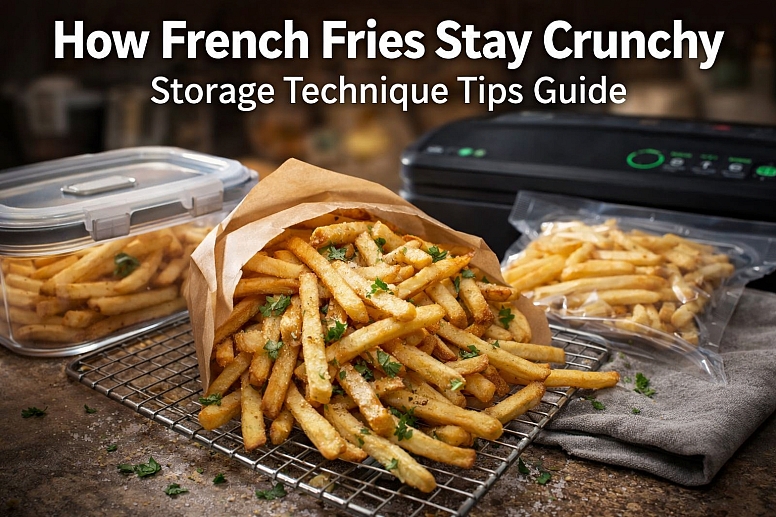
How French Fries Stay Crunchy: Storage Techniques & Tips
Fries—golden, salty, and utterly crispy—are somehow magical. But let's face it: retaining that crunch following cooking is very difficult. If stored incorrectly, fries—whether homemade or from your preferred Loaded Fries takeaway— can quickly become soggy and limp. The good news: You can savor fries for longer that are crispy, delicious, and absolutely tempting if you use the appropriate methods. From selecting the ideal potato to perfecting reheating techniques, little modifications may greatly influence results.
This guide investigates inventive storage techniques, frying techniques, and reheating shortcuts that enable fries to preserve that fresh-just-cooked crisp. Every time you dive in, say farewell to wilted leftovers and welcome to fries that taste freshly prepared.
Select the Proper Potato and Cut
When it comes to fries, not all potatoes are alike. Starchy kinds like Russets keep their shape and crisp up better. Waxy potatoes tend to soak fast. Uniformly cut fries guarantee even cooking and help to minimize moisture problems. Thin fries crisp quicker outside; thick fries hold some softness inside. The proper cut paired with the right potato prepares the scene for fries that stay crispy longer.
Rinse and Dry Thoroughly Before Cooking
Too much starch can make French fries glutinous and stop crispiness. Cut them, then rinse them in cold water to eliminate surface starch. This stage allows French fries to cook somewhat uniformly. Dry them totally with paper towels or a kitchen cloth. Surface humidity fights against crispness. Because they steam rather than fry, wet fries have a floppy texture. Proper drying guarantees that fries stay crispy for longer after storage and fry fast.
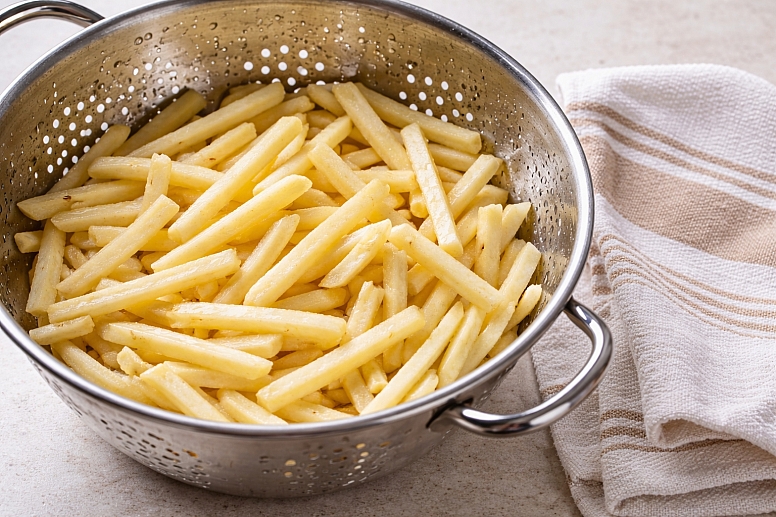
Use Double Frying for Maximum Crunch
One traditional approach to lock crunch is double frying. The initial fry softly cooks the fries at a lower temperature. At a greater temperature, the second frying develops a crisp golden shell. This method guarantees crunchy outside and soft inside fries. The outside layer fights sogginess even after chilling. Double-frying is the best first step to keep texture if you intend to store fries.
Store Fries Properly at Room Temperature
Hot fries cool quickly; incorrect storage makes them soggy. Keep the French in a single layer on a wire rack for brief storage. Avoid layering them in a container right away after frying. Air flow preserves crispness. This technique keeps fries crispy without refrigeration if you intend to eat them in an hour or two. If needed, cover lightly with foil, but stay away from airtight containers that hold water.
Freeze Fries for Long-Term Storage
Preserving fries for more than a few hours calls for freezing. Spread cooled fries on a baking sheet in a single layer and freeze till firm. Next, move them to a vacuum-sealed freezer bag. This keeps French from clumping. Frozen fries can subsequently be crisply reheated in an air fryer or oven. Thawing before reheating causes extra wetness and soggy fries; so, avoid it. Proper freezing keeps texture and flavor for many weeks.
Reheat Fries the Right Way
Keeping crispiness depends on reheated food. For long-term storage, stay away from microwaves since they make fries chewy and soft. Rather use an air fryer, toaster oven, or oven. Preheat to 180–200 degrees Celsius (350–400 degrees Fahrenheit) and reheat for 5–10 minutes, shaking frequently. The heat warms the interior while reactivating the sharp outer layer. A light oil spray could also help you to increase crunch. Proper heating transforms leftover or frozen fries into a fresh, prepared caliber.
Oil and Seasoning
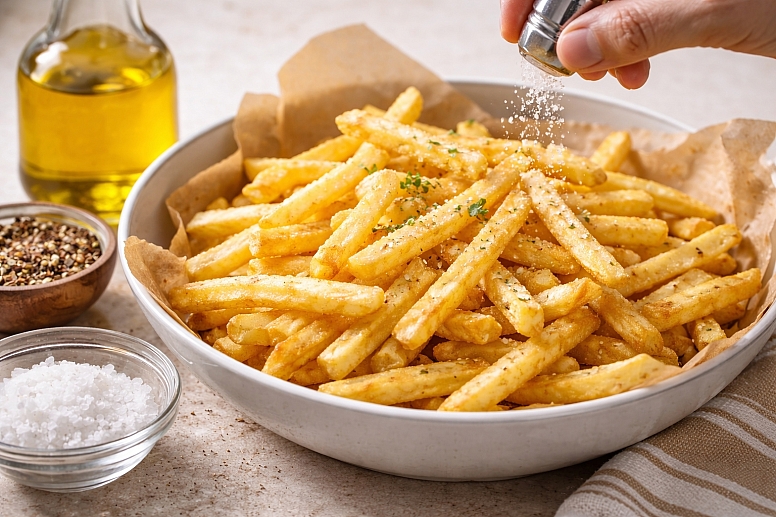
Seasoning french fries right away after preparation improves flavor; however, if done too soon during storage, it might compromise crispness. Salt pulls moisture, therefore softening potatoes. Lightly season stored fries once reheated; also crucial is selecting the right oil. High smoke-point oils like peanut or sunflower oil produce a crisp outer and resist sogginess better than butter or low smoke-point oils. Oil, correct frying, and timing together guarantee fries stay golden and crispy for a longer time.
Stay Clear of Moisture Traps When Storing
The greatest nemesis of crispy fries is moisture. Keeping fries in airtight containers when they are still warm generates steam, which softens the surface. Let fries cool slightly on a wire rack before wrapping or storing to stop this. Paper towels kept in containers help to soak up extra moisture and maintain the crispness of fries. Maintaining texture even requires little measures like leaving the cover slightly ajar for temporary storage.
Crispy French fries are all about care for every aspect. Double frying, careful rinsing, the proper potato, and proper storage methods all count. While freezing enables long-term enjoyment, short-term rack storage preserves crunch for immediate gratification. Correct heating brings back crispness, and precise flavoring guarantees taste without softening.
Basic procedures like drying French fries or selecting the proper oil greatly help the results. This advice helps homemade fries or leftover fries stay crisp, golden, and tasty, ready for anytime snacking. These techniques turn average fries into delicious treats every time.
Categories
Recent Posts







0.0802