

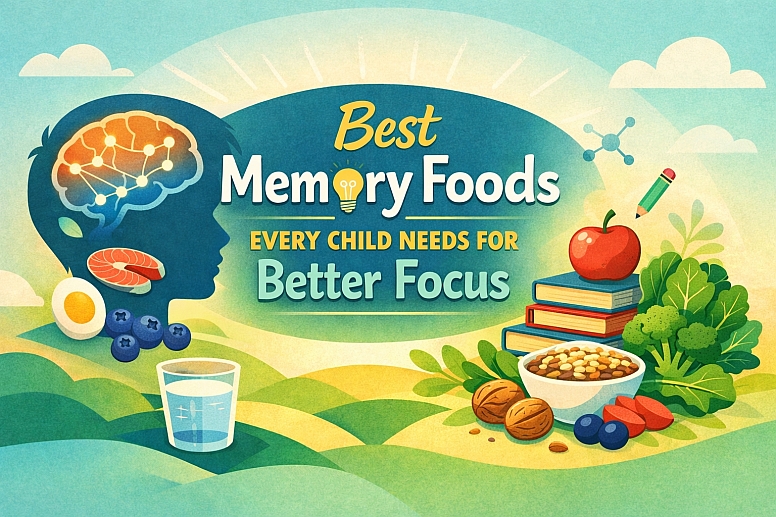
The Best Memory Foods Every Child Needs for Better Focus
Many parents notice that children struggle with focus, forget instructions, or lose attention quickly during schoolwork. While sleep, routines, and screen time matter, nutrition often plays a bigger role than expected. The brain is constantly developing during childhood, and what children eat directly affects how well they concentrate, process information, and retain memories.
Memory-supporting foods do more than fuel the body. They provide essential nutrients that strengthen brain connections, support neurotransmitters, and protect developing brain cells. When children consistently eat the right foods, they often show better focus, improved recall, and more mental clarity throughout the day.
We will discuss the best memory foods every child needs for better focus. You’ll learn how specific nutrients support brain function, which foods to prioritize, and how to build simple, child-friendly meals that nourish both memory and attention.
Why Nutrition Matters for Memory and Focus in Children
Children’s brains use more energy than adult brains. During learning, problem-solving, and even play, the brain demands a steady supply of nutrients. When those needs are not met, focus and memory often suffer.
Proper nutrition supports:
- Brain cell growth and repair
- Strong communication between neurons
- Stable energy levels throughout the day
- Reduced mental fatigue and irritability
A child who eats balanced, brain-supportive meals is more likely to stay attentive in class, remember lessons, and apply what they learn. Over time, good nutrition builds a foundation for lifelong cognitive health.
How Food Influences Memory Development
Memory is not a single process. It includes short-term recall, long-term storage, and the ability to retrieve information when needed. Food affects all three stages.
Certain nutrients help strengthen the hippocampus, the brain area responsible for memory formation. Others support neurotransmitters that help the brain send and receive signals efficiently. When children regularly consume nutrient-poor foods, these processes can slow down.
Consistent intake of memory-supporting foods helps children:
- Absorb information faster
- Retain lessons for longer periods
- Stay mentally alert without crashes
- Develop stronger learning habits
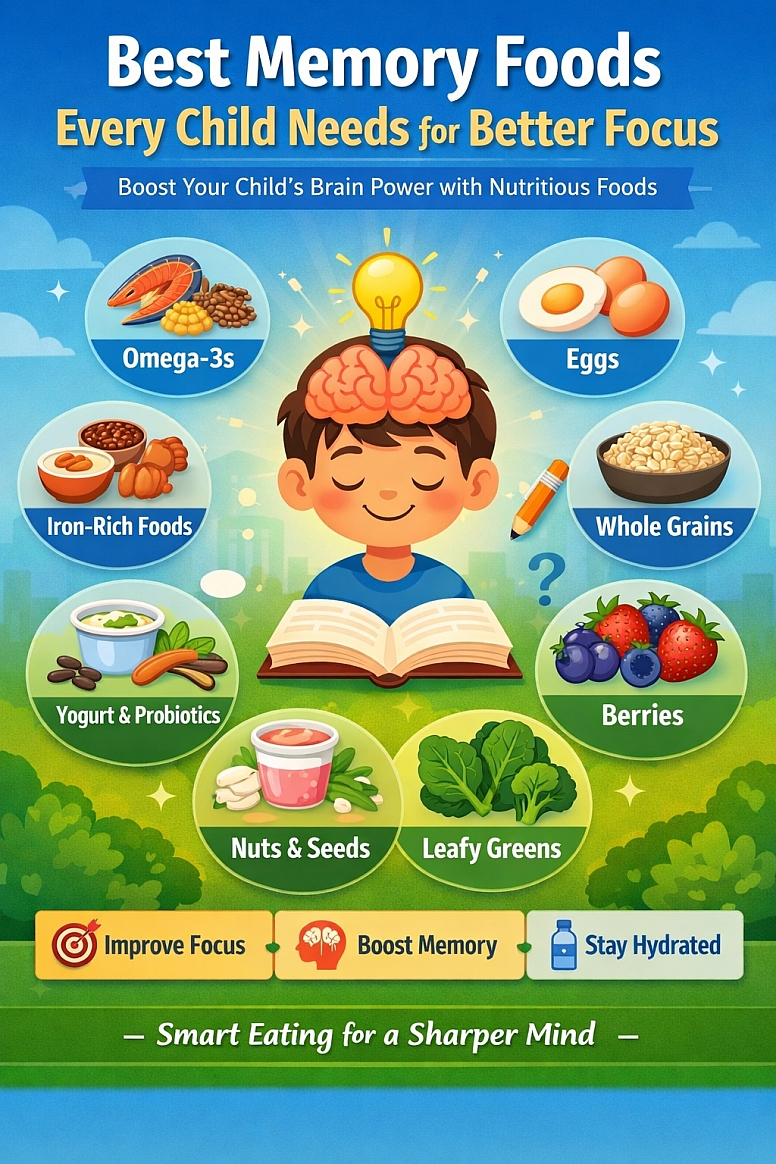
Omega-3 Fatty Acids: The Building Blocks of Brain Cells
Omega-3 fatty acids are essential fats that play a critical role in brain structure and function. A large portion of the brain is made up of fat, and omega-3s help maintain flexible, healthy brain cell membranes.
Best Sources of Omega-3s for Children
- Fatty fish like salmon and sardines
- Chia seeds and flaxseeds
- Walnuts
Children who consume enough omega-3s often show improved attention spans and better working memory. These fats also support emotional regulation, which helps children stay calm and focused during learning tasks.
Eggs: A Complete Brain Food for Growing Minds
Eggs are one of the most effective memory foods for children. They contain choline, a nutrient essential for brain development and memory formation.
Why Eggs Support Focus
- Choline helps produce acetylcholine, a memory-related neurotransmitter
- High-quality protein stabilizes blood sugar
- Vitamins support overall brain health
Including eggs at breakfast can help children stay focused through the morning without sudden drops in energy.
Whole Grains for Steady Mental Energy
The brain relies on glucose as its main fuel source. Whole grains provide a slow, steady release of glucose, unlike refined carbohydrates that cause energy spikes and crashes.
Brain-Friendly Whole Grains
- Oats
- Brown rice
- Whole wheat bread
- Quinoa
Steady energy means better concentration, longer attention spans, and improved memory retention during school hours.
Berries: Natural Antioxidants for Brain Protection
Berries are rich in antioxidants that protect brain cells from oxidative stress. This protection is especially important for developing brains that are constantly forming new neural connections.
How Berries Help Memory
- Support communication between brain cells
- Improve learning capacity
- Protect long-term cognitive health
Blueberries, strawberries, and blackberries are easy to add to snacks, breakfasts, or lunches and are generally well-accepted by children.
Leafy Greens and Vegetables for Cognitive Support
Vegetables are often overlooked when discussing brain foods, but leafy greens are packed with nutrients that directly support memory and focus.
Key Nutrients in Leafy Greens
- Vitamin K for brain cell health
- Folate for cognitive development
- Antioxidants for brain protection
Spinach, kale, and broccoli can be added to smoothies, soups, or meals in simple ways that don’t overwhelm children.
Nuts and Seeds: Small Foods with Big Brain Benefits
Nuts and seeds provide healthy fats, protein, and minerals that support brain performance. They also help maintain stable energy levels.
Best Options for Children
- Pumpkin seeds
- Sunflower seeds
These foods support concentration and mental stamina, making them ideal for school snacks.
Yogurt and Fermented Foods for Brain-Gut Connection
The gut and brain are closely connected. A healthy gut supports better mood, focus, and memory.
How Probiotics Help
- Improve nutrient absorption
- Support neurotransmitter production
- Reduce inflammation affecting the brain
Yogurt with live cultures is an easy way to support this connection in children.
Iron-Rich Foods for Mental Alertness
Iron helps transport oxygen to the brain. Low iron levels can lead to fatigue, poor concentration, and memory difficulties.
Child-Friendly Iron Sources
- Lean meats
- Beans and lentils
- Fortified cereals
Ensuring enough iron helps children stay alert and mentally engaged throughout the day.
Hydration: The Often-Ignored Memory Booster
Even mild dehydration can affect memory and attention. Children need consistent fluid intake to support brain function.
Water helps:
- Maintain focus
- Prevent mental fatigue
- Support overall brain performance
Encouraging regular water breaks can make a noticeable difference in attention levels.
Simple Meal Ideas That Support Memory and Focus
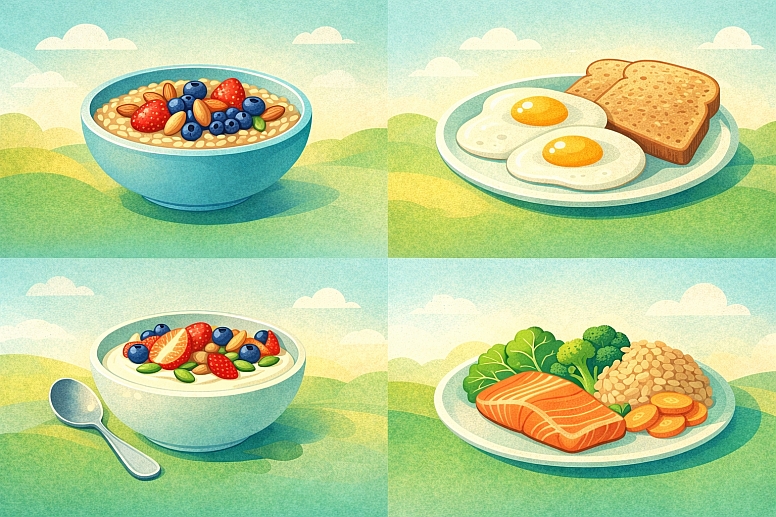
You don’t need complicated recipes to support your child’s brain health. Simple combinations work well.
Examples include:
- Oatmeal with berries and nuts
- Eggs with whole-grain toast
- Yogurt with seeds and fruit
- Salmon with vegetables and brown rice
Consistency matters more than perfection.
Can Diet Influence Intelligence and Creativity?
While food alone does not define intelligence, proper nutrition supports the brain’s ability to learn, adapt, and create. Children who receive balanced nutrition often show stronger problem-solving skills and imaginative thinking, linking genius and creativity with a well-nourished brain.
In some children, improved focus and recall may even resemble early signs of a genius, such as advanced curiosity, strong memory, and rapid learning. Nutrition helps unlock potential rather than create it.
Building Healthy Food Habits Early
Children’s eating habits form early and often last into adulthood. Introducing memory-supporting foods at a young age sets the stage for lifelong cognitive health.
Parents can:
- Model healthy eating
- Offer variety without pressure
- Create consistent meal routines
Positive experiences with food encourage children to make better choices independently.
When to Seek Professional Advice
If a child consistently struggles with focus, memory, or fatigue despite a healthy diet, professional guidance may help. Pediatricians, nutritionists, or specialists can identify underlying issues. Even professionals in unrelated fields, such as a Dentist, often emphasize the importance of nutrition for overall development, showing how deeply diet affects the body and mind.
The foods children eat every day shape how their brains grow, focus, and remember. Memory-supporting foods like omega-3s, eggs, whole grains, berries, and leafy greens provide essential nutrients that help children stay attentive, learn effectively, and retain information.
By making small, consistent improvements to daily meals, parents can support better focus, stronger memory, and healthier brain development. The goal isn’t perfection, but progress. What simple brain-friendly food will you add to your child’s routine today?
Categories
Recent Posts










0.0917